


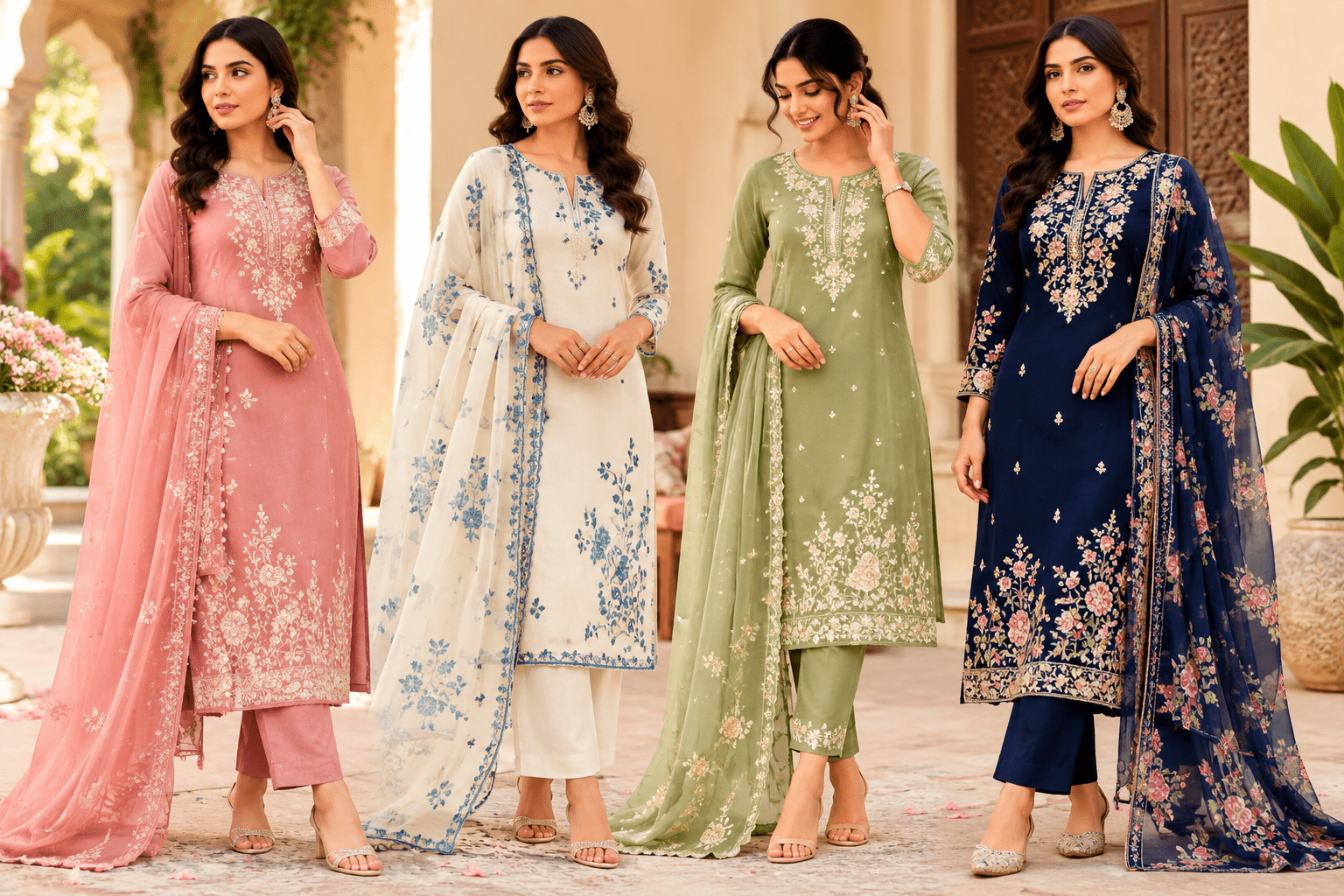
Learn how to find your personal fashion style with practical tips for building a signature style, choosing wardrobe staples, creating outfits and dressing with confidence.
How to Find Your Personal Fashion Style
Have you ever looked into your wardrobe and thought, “I have plenty of clothes, but nothing to wear?”
You may have bought pieces because they were trending, saved countless outfit ideas from social media or admired celebrity looks, only to discover that those styles do not quite feel like you.
Learning how to find your personal fashion style is not about following every new trend. It is about discovering the colours, silhouettes, fabrics, clothing combinations and details that make you feel comfortable and confident.
Your personal style is a reflection of your personality, lifestyle and preferences. It can be minimal and polished, relaxed and casual, bold and expressive, feminine and romantic, or a combination of several aesthetics.
The goal is to create a style identity that feels authentic while allowing your wardrobe to evolve.
Whether you love timeless basics, modern street style, elegant outfits or trend-led fashion, these practical steps will help you discover your signature style and build a wardrobe that genuinely feels like you.
Understand Your Personal Style and Fashion Personality
The first step in learning how to find your personal fashion style is to stop asking what everyone else is wearing and start asking what you genuinely enjoy wearing.
Fashion trends change quickly. Your preferences are more personal.
Discover Your Fashion Personality
Think about the clothing you naturally choose when you want to feel your best.
Do you prefer clean lines and neutral colours? Maybe you enjoy bold prints, statement accessories and dramatic silhouettes.
Perhaps tailored clothing makes you feel polished, while relaxed denim and oversized pieces feel more natural for everyday life.
These preferences reveal your fashion personality.
You might be drawn to quiet luxury, clean-girl style, minimalist fashion, maximalist fashion, 90s-inspired fashion, French-girl style, Scandi style or Balletcore.
You do not have to choose one aesthetic.
Your individual fashion aesthetic can combine different influences. For example, you might prefer minimalist outfits for work, street style for weekends and feminine details for occasions.
Build a Personal Style Inspiration Board
Save outfits that genuinely catch your attention from fashion websites, Pinterest, Instagram, magazines and online stores.
After collecting around 20–30 looks, look for patterns.
Do you repeatedly save:
- Neutral colours?
- Oversized silhouettes?
- Tailored pieces?
- Denim?
- Dresses?
- Bold accessories?
- Monochromatic outfits?
- Feminine details?
- Relaxed clothing?
These patterns provide valuable clues about your personal style expression.
You can also study runway-inspired style and celebrity street style for inspiration. Rather than copying an entire look, identify the individual elements you like—the colour, proportions, accessories, fabric or silhouette.
That is how inspiration becomes your own style.
Find the Colours, Fits and Silhouettes That Suit You
Once you understand your preferences, begin translating them into real outfits.
Your wardrobe should not simply contain individual pieces you love. Those pieces should also work together.
Build Around Wardrobe Staples
Start with versatile wardrobe staples that can be styled in multiple ways.
Depending on your lifestyle, these might include:
- Well-fitting jeans
- Classic shirts
- Simple T-shirts
- Versatile trousers
- A blazer
- A lightweight jacket
- A versatile dress
- Comfortable sneakers
- Loafers or flats
- A neutral handbag
- Quality knitwear
A wardrobe staple does not have to be boring. A classic shirt, for example, can be paired with denim for casual dressing, tailored trousers for work or a statement skirt for an evening look.
Create Easy Outfit Formulas
One of the simplest ways to make getting dressed easier is to create repeatable outfit formulas.
For example:
Oversized shirt + straight-leg jeans + sneakers
Tailored trousers + fitted top + blazer + loafers
Midi dress + lightweight jacket + simple accessories
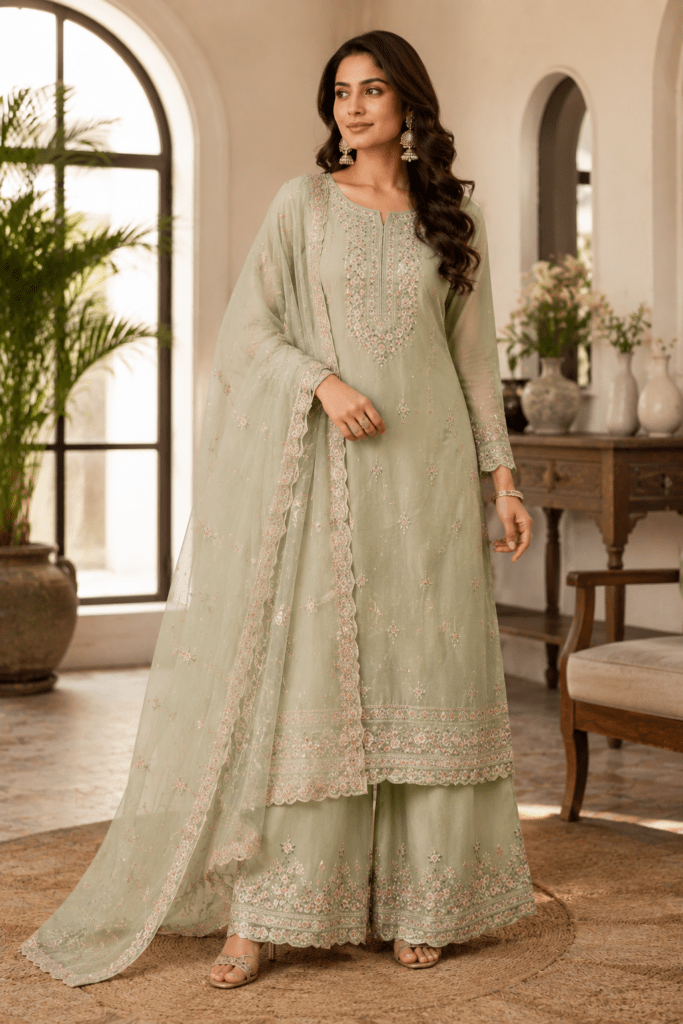
Co-ord outfit + minimal footwear + statement bag
Once you identify combinations that consistently work, getting dressed becomes quicker and less stressful.
Experiment With Colour Combinations
Colour can completely change the mood of an outfit.
Begin with two or three neutral shades that you naturally enjoy wearing. Black, white, beige, grey, navy, cream and brown can all provide a versatile foundation.
Then introduce accent colours.
Current green fashion colours, millennial pink, lilac fashion and metallic shades can add personality without requiring a complete wardrobe makeover.
Try combinations such as:
- Cream + chocolate brown
- White + green
- Black + lilac
- Beige + millennial pink
- Navy + white
- Black + metallic accents
The best colour combinations are ultimately the ones that make you feel confident.
Experiment With Silhouettes
Your style is not only about colour. Proportion matters too.
If you normally wear fitted clothing, try oversized silhouettes. If you usually wear loose pieces, experiment with a structured top or tailored trousers.
A relaxed shirt might look balanced with fitted bottoms, while wide-leg trousers can work beautifully with a tucked-in or structured top.
Trying different proportions is one of the fastest ways to discover what genuinely suits your personality.
Build a Wardrobe Around Your Lifestyle
Your wardrobe should work for your real life—not just look good on a Pinterest board.
Consider where you spend most of your time.
A corporate professional, university student, remote worker, parent or creative professional will naturally have different wardrobe requirements.
This is where personal wardrobe curation becomes important.
Create a Practical Capsule Wardrobe
A capsule wardrobe is a curated collection of versatile clothes that can easily be mixed and matched.
It might include:
- 3–5 everyday tops
- 2–3 trousers
- 2 pairs of jeans
- 1–2 dresses
- 1 blazer
- 1 jacket
- 1 cardigan
- Several versatile shoes
- A few accessories
There is no perfect number of items.
The goal is simply to create a wardrobe where your clothes work together.
Before buying something new, ask:
“Can I create at least three outfits with this?”
If yes, it is more likely to become a useful wardrobe addition.
Build a Seasonal Wardrobe
Your style should work throughout the year.
A seasonal wardrobe allows you to adjust fabrics, colours and layering without losing your overall style identity.
For warmer weather, linen clothing, lightweight fabrics and relaxed silhouettes can help create polished yet comfortable looks.
During colder months, focus on winter layering.
Try:
Base layer → shirt → knitwear → jacket → coat
Different layering techniques can transform the same pieces into completely different outfits.
During changing weather, transitional dressing is especially useful. Pair summer dresses with cardigans and boots, or layer lightweight shirts underneath jackets.
This allows you to get more wear from your existing wardrobe.
Use Fashion Trends Without Losing Your Personal Style
Finding your personal style does not mean ignoring fashion trends.
The key is learning how to adapt trends to your existing wardrobe.
Experiment With Current Personal Style Trends
Some current aesthetics and trends include:
- Sheer clothing
- 3D floral details
- Metallic fashion
- Sequins and shimmer
- Polo-inspired outfits
- Bold prints and patterns
- Statement fashion
- White-on-white outfits
- Co-ord outfits
You do not need to completely change your style to experiment with them.
If you usually wear neutral outfits, try a metallic handbag rather than a full metallic look.
If you prefer classic clothing, add a top with 3D floral details for an occasion.
If you enjoy feminine fashion, experiment with sheer clothing through a lightweight layering piece.
The trend should complement your wardrobe—not take over your identity.
Explore Denim Styling
Denim is one of the easiest ways to experiment with different aesthetics.
For a relaxed look, try loose jeans with an oversized shirt.
For a sophisticated outfit, pair dark denim with tailored pieces, a structured bag and polished footwear.
For a nostalgic look, experiment with 90s-inspired fashion through straight-leg jeans, simple tops and casual jackets.
Try Elegant Summer Outfits
Elegant summer outfits can combine comfort with a polished appearance.
Consider:
- Linen shirts
- Wide-leg trousers
- Midi dresses
- Lightweight co-ords
- Relaxed tailoring
- Simple sandals
- Minimal jewellery
For example:
Linen shirt + wide-leg trousers + sandals
or
Midi dress + structured handbag + simple jewellery
These combinations are easy to wear while still looking refined.
Experiment With Evening Fashion
Evening dressing provides an opportunity to explore metallic fashion, sequins and shimmer, statement accessories and richer colours.
You do not need to wear an extremely dramatic outfit.
A metallic bag, shimmer top or sequined detail can add personality to a simple outfit.
The secret is balance.
Refine Your Signature Style and Shop Smarter
After experimenting with different outfits, you will begin to notice recurring preferences.
Those repeated choices are the foundation of your signature style.
Define Your Style in Three Words
Try describing your style using three words.
For example:
Classic – Relaxed – Sophisticated
Feminine – Modern – Playful
Minimal – Comfortable – Elegant
Bold – Creative – Eclectic
Use these words as a filter when shopping.
If a new item does not fit your style identity, lifestyle or existing wardrobe, consider whether you really need it.
Choose Investment Pieces
Investment pieces are items that you expect to wear repeatedly over time.
Examples include:
- A well-made blazer
- A versatile coat
- Quality footwear
- A classic handbag
- Well-fitting denim
- High-quality knitwear
However, not every piece needs to be expensive.
Affordable fashion finds can work perfectly alongside investment pieces.
Think about quality, versatility, cost per wear and how often you realistically expect to wear the item.
Practice Better Outfit Styling
Before buying more clothes, look at what you already own.
Take one pair of trousers and create five completely different outfits.
Change the tops, shoes, accessories and outer layers.
You may discover that your wardrobe does not need more clothing—it simply needs more creative outfit styling tips.
A 7-Day Personal Style Challenge
If you are still wondering how to find your personal fashion style, try this simple seven-day challenge.
Day 1 — Photograph Your Favourite Outfits
Take pictures of three outfits that make you feel confident.
Day 2 — Identify Common Elements
Look for recurring colours, fabrics, silhouettes and accessories.
Day 3 — Edit Your Wardrobe
Divide your clothes into:
Love it: You wear it regularly.
Maybe: You like it but rarely wear it.
Not for me: It no longer fits your lifestyle or style identity.
Day 4 — Create Three Outfit Formulas
Build three reliable combinations you can repeat.
Day 5 — Try Something New
Experiment with a new colour, silhouette, print or styling technique.
Day 6 — Review Your Shopping Habits
Identify which recent purchases you actually wear and which ones remain untouched.
Day 7 — Define Your Style Identity
Complete this sentence:
“My personal style is…”
Describe it in three to five words.
Those words can become the foundation of your future wardrobe.
Common Personal Style Mistakes to Avoid
Copying Someone Else Completely
Use influencers and celebrity street style for inspiration, not as a blueprint.
Buying Every New Trend
A trend can look amazing online but feel completely wrong when you wear it.
Ignoring Comfort
Clothing should allow you to move naturally and feel comfortable throughout the day.
Shopping Without a Plan
Random purchases can create a wardrobe full of disconnected pieces.
Thinking Your Style Cannot Change
Your style can evolve as your lifestyle, preferences and confidence change.
Conclusion: Make Your Style Your Own
Learning how to find your personal fashion style is a process of experimentation, observation and refinement.
Start by understanding your fashion personality and style identity. Explore aesthetics such as minimalist fashion, quiet luxury, maximalist fashion, French-girl style, Scandi style, Balletcore and modern street style.
Then build your wardrobe around useful wardrobe staples, practical outfit formulas, a flexible capsule wardrobe and clothing that fits your lifestyle.
Experiment with colour combinations, silhouettes, seasonal pieces and personal style trends. Try denim styling, linen clothing, co-ord outfits, tailored pieces, oversized silhouettes, bold prints and statement details.
Most importantly, do not allow fashion trends to replace your identity.
Your strongest style is the one that makes you feel like yourself.
Your signature style develops through the colours you repeatedly choose, the silhouettes you feel comfortable in, the pieces you reach for and the way you combine them.
So open your wardrobe, experiment, edit and discover what makes you feel confident.
Your style does not need to follow the crowd. It needs to tell your story.
Frequently Asked Questions
How do I find my personal fashion style?
Start by identifying the clothing, colours, silhouettes and outfits you naturally enjoy. Create an inspiration board, identify recurring patterns and experiment with different aesthetics until you discover what feels authentic.
What is the difference between personal style and fashion trends?
Personal style reflects your individual preferences, lifestyle and personality, while fashion trends are temporary or evolving styles popular during a particular period. You can incorporate trends without changing your overall personal style.
How can I develop a signature style?
Choose three words that describe your preferred aesthetic, identify your favourite wardrobe staples, develop repeatable outfit formulas and consistently wear colours and silhouettes that make you feel confident.
What should be in a capsule wardrobe?
A capsule wardrobe should contain versatile pieces that can be easily mixed and matched. Depending on your lifestyle, this may include shirts, T-shirts, jeans, trousers, dresses, jackets, knitwear, shoes and accessories.
How can I look stylish without buying lots of clothes?
Focus on better outfit combinations rather than constantly buying new pieces. Experiment with layering, accessories, colour combinations and different ways of styling your existing wardrobe.
Can my personal fashion style change over time?
Absolutely. Personal style naturally evolves as your lifestyle, confidence, interests and preferences change. Your wardrobe should adapt with you.
FAQ Schema Questions
Add these questions to an FAQPage schema only if the same questions and answers are visibly present on the page:
- How do I find my personal fashion style?
- What is the difference between personal style and fashion trends?
- How can I develop a signature style?
- What should be in a capsule wardrobe?
- How can I look stylish without buying lots of clothes?
- Can my personal fashion style change over time?
Recommended Schema Structure
Use FAQPage structured data containing the exact visible questions and answers above.
Do not add hidden FAQ content solely for search engines. The FAQ content should be visible to visitors on the page.
Suggested SEO Content Hierarchy
How to Find Your Personal Fashion Style
- Understand Your Personal Style and Fashion Personality
Discover Your Fashion Personality
Build a Personal Style Inspiration Board
2. Find the Colours, Fits and Silhouettes That Suit You
Build Around Wardrobe Staples
Create Easy Outfit Formulas
Experiment With Colour Combinations
Experiment With Silhouettes
3. Build a Wardrobe Around Your Lifestyle
Create a Practical Capsule Wardrobe
Build a Seasonal Wardrobe
4. Use Fashion Trends Without Losing Your Personal Style
Experiment With Current Personal Style Trends
Explore Denim Styling
Try Elegant Summer Outfits
Experiment With Evening Fashion
5. Refine Your Signature Style and Shop Smarter
Define Your Style in Three Words
Choose Investment Pieces
Practice Better Outfit Styling
A 7-Day Personal Style Challenge
Day 1 — Photograph Your Favourite Outfits
Day 2 — Identify Common Elements
Day 3 — Edit Your Wardrobe
Day 4 — Create Three Outfit Formulas
Day 5 — Try Something New
Day 6 — Review Your Shopping Habits
Day 7 — Define Your Style Identity
Common Personal Style Mistakes to Avoid
Copying Someone Else Completely
Buying Every New Trend
Ignoring Comfort
Shopping Without a Plan
Thinking Your Style Cannot Change
Conclusion: How to Find Your Personal Fashion Style
Frequently Asked Questions
How do I find my personal fashion style?
What is the difference between personal style and fashion trends?
How can I develop a signature style?
What should be in a capsule wardrobe?
How can I look stylish without buying lots of clothes?
Can my personal fashion style change over time?
Read More : www.fibre2fashion.com/industry-article/2860/what-is-fashion-design
Read Blog Also This: Top Fashion Mistakes Women Should Avoid
Follow Us On YouTube :
Please follow and like us:


